We just announced a $62 million Series B to set a new standard in endovascular care and bring it to every patient, everywhere. The funding will help us get through trials and start selling robots.
This is the story of how we got here. It begins long before Remedy.
Historical parallels
In 1957, cardiac surgeon Walt Lillehei brought a problem to his friend, electrical engineer Earl Bakken: his patients relied on large, wall-powered devices to keep their hearts beating while they recovered from surgery. That Halloween, a power outage had caused one child’s device to fail, and the child had died.
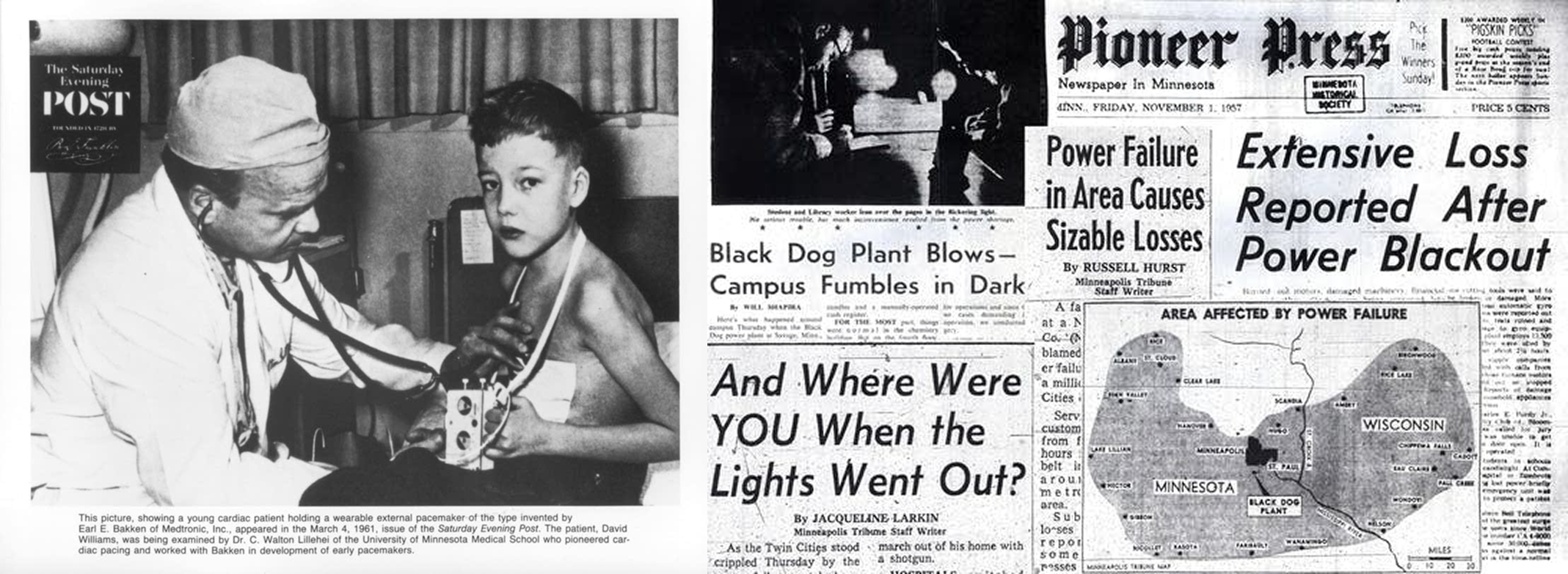
That tragedy prompted the creation of the first battery-powered, wearable device to keep the heart beating. It became what we now call the pacemaker, and Lillehei and Bakken’s partnership marked the beginning of Medtronic. As engineers and physicians developed solutions to medical challenges, Medtronic’s product portfolio expanded. Today, nearly all major medical device companies (J&J, Boston Scientific, Stryker, and Intuitive) primarily focus on developing hardware to help people. Mechanical and electromechanical engineering are well-established strengths across the industry. Machine learning, by contrast, remains largely absent, especially in combination with hardware.
Remedy Robotics is a new kind of medical device company: ML-first. But ML alone isn’t enough, so we build the hardware, too. Some call that “Physical AI.”
How we started
Like the pacemaker, Remedy began with a clinician, an engineer and a problem.
After eight years as a doctor, I was deep into cardiac surgery training. I loved it, especially the patients. But I missed the math I’d studied as an undergraduate, and surgery didn’t feel like the best use of me. Surgical robots were where my two worlds met. They fascinated me, but they also annoyed me. There were two problems I thought they should be solving:
1. Endovascular imperfection and the myth of “magic hands”
One quirk of cardiac surgery training in Australia was that we spent considerable time in the cath lab. We implanted pacemakers and defibrillators, performed TAVR, and carried out diagnostic coronary angiograms and interventions.
Whenever I did these procedures, I felt like I was ingesting a 2D grayscale input image and then outputting a maneuver along very few degrees of freedom. Procedures felt automatable or, at the very least, like we could make them perfect. For every frame I saw, I felt like there was a simple but correct move for my hands.

And yet procedures were riddled with imperfection. Endovascular intervention still relied on manual, guess-and-check control of non-steerable tools.
Procedures often took far longer than planned, and complication rates were unacceptably high. It all felt like “amateur hour”:
- Many patients had preoperative 3D imaging, yet we still couldn’t see the vessels. Why?
- Why did we have so little control over the tool tip’s position in 3D space?
Endovascular intervention should be perfect, but it was far from it. I felt that solving 3D imaging and registration, along with steerable catheter control (two big “ifs”) could make these procedures perfect.
2. Access to care
I spent a lot of time working with surgical robots. I found them remarkable machines, but procedures were slow and their clinical benefits unclear. At night, I was on call for ECMO retrievals across the East coast of Australia and South Pacific, flying to places with little or no access to care to put people on life support and bring them back to Sydney. The next day, I’d be back at the robot, making rich people’s small incisions a little smaller. Maybe.
Even today, less than 3% of the world’s population has access to time-critical, gold-standard care for stroke, heart attack and nearly all other cardiovascular disease. After a stroke, whether you return to work depends largely on how quickly you’re treated, and that depends on where you live. Ninety percent of US hospitals cannot provide endovascular intervention for stroke. If you have a major heart attack, whether you survive may depend on your address. After a traumatic injury, you may bleed to death if you’re not near an interventional radiologist.
Technology had to do more to improve access to care.
The initial vision was very simple
We planned to do just two things, one for each problem:
- Optimize endovascular intervention. No complications. Maximal efficiency and speed. The right treatment decision, first time, every time.
- Make this care available to every hospital around the world.
In short: flawless, immediate endovascular intervention for everyone, anywhere.
Leaving cardiac surgery
I didn’t know it at the time, but my last day as a cardiac surgery trainee in Australia was a Sunday. On the Monday, I started at the Stanford Graduate School of Business.
I wandered out of the GSB a lot. I loved it there, but I knew the unlock for Remedy would be my ability to understand enough engineering to communicate with a technical genius. I fluffed my way into taking a robotics class where the conversation revolved heavily around self-driving cars. It seemed crazy to me: if we could teach a car to drive itself through a city, surely we could teach a catheter to navigate autonomously through the vasculature! After all, the input images were far simpler and many patients already had preoperative 3D imaging.
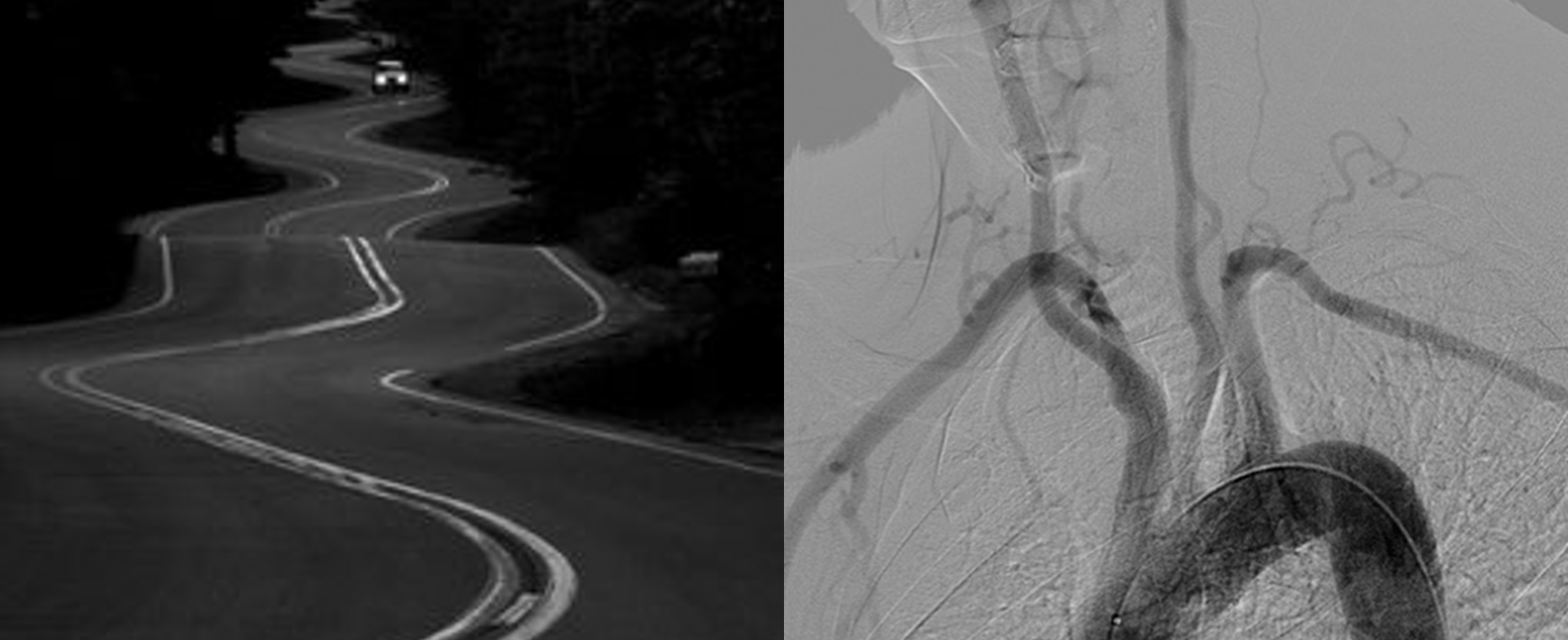
The most important part of the Remedy journey: meeting Jake
Obviously, by “we” I meant someone other than me: someone with a load of technical expertise. That’s when I hunted down my cofounder and kindred spirit, Jake. He was in the last year of his PhD at Stanford, developing the algorithms to teach a bronchoscope to autonomously navigate through the bronchial tree. A few things struck me about Jake:
- We really were each other’s yin and yang.
- His work was phenomenal. He understood deep learning, catheter physics, robots and medical device development. He was MADE to found a company like Remedy.
- His work on autonomous bronchoscopes had very little clinical value.

After a few coffee dates, we set out to develop the algorithms for autonomous endovascular intervention. I went from hospital to hospital, cap in hand, collecting as much data as I could. Jake wrestled with getting it all into the cloud. I labeled the data myself and Jake trained the algorithms. (We now have data from more than 40 hospitals and a team of over 100 full-time annotators.) We raised a small seed round and got to work.
At that point, we asked: what sort of company do we want to be?
What sort of company are we?
A few things we believe
There are a few things we believe to be incredibly important about the dubious space we’re innovating in:
- If you are a healthcare company, you cannot pass Go without defining what optimal healthcare looks like (more to come on this).
- If you are truly improving healthcare outcomes, you are creating value. Keeping people healthy makes money.
- The best technical talent in the world belongs in med tech.
- Machine learning combined with hardware is the best way to achieve transformative outcomes in surgery. You can’t forget the hardware. It’s hard.
- If you’re going to perform a remote procedure, you need to do the entire thing robotically or you can forget about it.
- No robot should ever be built to replicate “the best” surgeons:
- There is no such thing as “the best” surgeon.
- That bar is too low. Robotics must view “optimal” intervention as more than what the best clinicians can do. Even the best interventionalist in the world is limited by:
- Two hands, single-hand dominance and physiological tremor
- An inability to vibrate things, sense what isn’t being X-rayed or process more than one image at a time
- The need to treat pathology through limited means, 1.5 m away from where the real action is
- Fatigue and stress
- Biases (e.g., judging the TICI score on their own patient when they’re tired and want to go home)
Anchoring in the clinical problem
Remedy is not a typical medical or technology company. We believe in seriously understanding clinical problems and then using cutting-edge technology to solve them, rather than anchoring in our own technology. Everything we do is grounded in a patient and their experience. We anchor all problems in real scenarios with real clinicians treating real patients presenting to real hospitals as they move through real workflows.
Take Maria, below. At Remedy, the most important question is: what, specifically, needs to be in place (technically, operationally, and clinically) to optimize her outcome?
Today, Maria’s story goes like this. Her hospital can probably diagnose her stroke but can’t treat it. The nearest thrombectomy center is three hours away by road, and she loses brain every minute of the drive. By the time she arrives, the question isn’t whether she recovers. That window has closed. The question is how much of her is left. And her husband Misha goes into full-time care.
We set out to create a solution where Maria could receive optimal care, no matter what hospital she was in. Where she could be treated immediately, without needing to be transported, by a Remedy Robot already in place and by a specialist interventionalist in San Francisco (or Sydney, it doesn’t matter) driving the system remotely. With this solution, the clot is removed while Maria would otherwise still be on the road. Maria recovers and goes home to Misha.
The next most important, but often forgotten, question: Are we making it as easy as possible for our customers to buy our product?
After all, the robot is only in Maria’s hospital if her hospital bought one. Thinking this way forced us to ask hard questions. We had set out to build algorithms, so whose robot would our software integrate with? Would that be a good business?
If we were going to optimize endovascular care and get it everywhere, there were a few tough truths to face:
- We needed to build a robot. There was no robot out there for this autonomous software to run on (and why would we want to run on someone else’s anyway?).
- We needed to build a whole lot more than just a robot. We had to:
- Be in charge of latency and connectivity
- Control fluidics
- Handle preoperative image processing and simulation
- Enable audiovisual communication
- And do a whole lot more
- We couldn’t afford to be your typical med device company, and we weren’t. We were frustrated by the medical device world of old and resolved to:
- Only ever use best-in-class technology
- Hire best-in-class talent
- Stay relentlessly focused on the needs of patients like Maria
Cracking on
We moved quickly. Our first hire, Greg Kahn from the Berkeley AI lab, came on board and continues to lead machine learning today. Two brilliant individuals, Campbell and Ekin, soon followed. Genius recruiting. Within a few months, we did our first remote drive, from Berkeley to a makeshift cath lab built in a garage in Venice with a 40-plus-year-old X-ray machine. We talked extensively with expert clinicians like Dr. Ronil Chandra of Monash University and Dr. Daniel Cooke of the University of California, San Francisco, to work out exactly what they needed. In 2022, doctors as far as 8,000 miles away controlled our robot and handmade catheters in animal models. In 2023, we installed our robot in its first hospital, and multiple clinicians drove it in one afternoon.
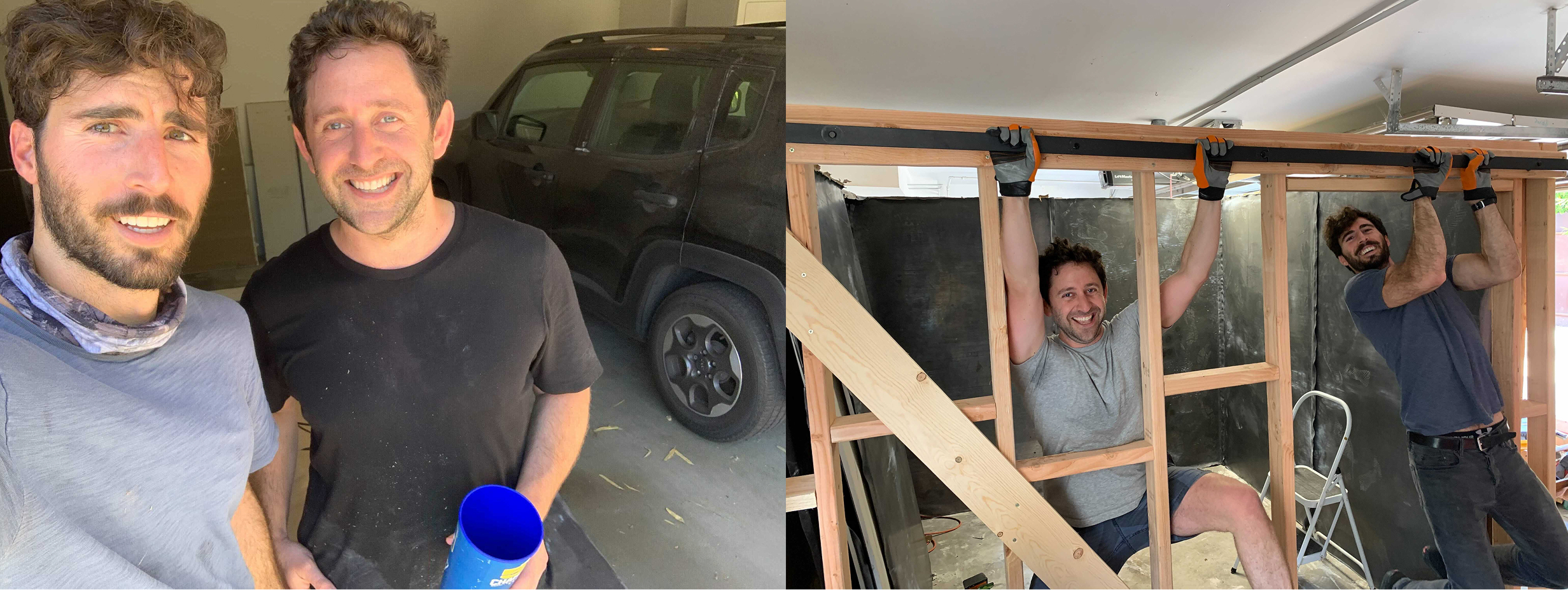
We continued to collect data at pace, data that required new capital equipment and someone to manually collate it. We assembled a team of over 100 people and trained them to annotate it. When we cracked a way to track catheters in real time across multiple degrees of freedom, including roll, we knew we were onto something.
The Cardiovascular Care Loop
We initially collected this data to enable autonomous intervention, but very quickly we realized we could also segment all key anatomy on the preoperative scan and make a diagnosis. We had also built a patient-specific, real-time simulator (like nothing we’d ever seen before), and soon it felt like we were perfectly positioned to actually take on more than just the procedure.
Maria’s admission, like so many others, follows a pattern: nearly all patients with cardiovascular disease (whether they have a stroke, coronary artery disease, aneurysmal disease, traumatic or atraumatic bleeding, or venous thromboembolism) move through this same cumbersome, error-prone care loop. Together, these conditions kill and disable more people in the US and worldwide than all cancers combined.
At every step of this journey, under today’s standard of care, there is error, inefficiency and inequity that can be addressed with machine learning. So, we thought, why not optimize Maria’s entire journey? And why not do it for 30+ conditions?
In Maria’s case:
- Who will establish and test the connection between the robot and the remote operator ahead of time, to make sure it’s safe to drive remotely?
- Who will run her entire procedure in simulation before she’s on the table, to make sure it’s safe to proceed?
- Who will then perform her entire procedure for real, at variable levels of autonomy: delivering a new standard of steerable navigation from start to finish, injecting contrast, coregistering her imaging, treating her stroke and treating any complications, should they occur?
- Who will write the op report?
The answer to all of them is Remedy.
So we slightly revised our vision
We still planned to do just two things, one for each problem:
- Optimize not just endovascular intervention (no complications. Maximal efficiency and speed. The right treatment decision, first time, every time), but the entire patient journey for cardiovascular care.
- Make this care available to every hospital around the world.
That’s pretty bold. What gives us the right?
Why us? We are uniquely positioned to take on these challenges because we combine four assets:
- Team: an established clinical network, with input from more than 80 clinicians at 60 sites worldwide, alongside world-leading ML and technical expertise. We continue to hire elite talent in the Bay Area.
- Data: extensive, linked, multimodal time-series data, annotated in detail. Paired 3D (CT/MRI) and 2D angiograms let us segment around 25 anatomical classes on CT and register the reconstruction to a live 2D scan.
- Intellectual property: 18 granted patents and 35 provisional applications.
- Integration: our first product is an ideal entry point for deploying further software across health systems.
So what have we actually done?
We’ve built the world’s first remotely operated and autonomous endovascular robot. It exists, today. The N1 System’s hardware and software will, in time, let any hospital anywhere in the world, regardless of personnel, perform specialized endovascular intervention from start to finish.
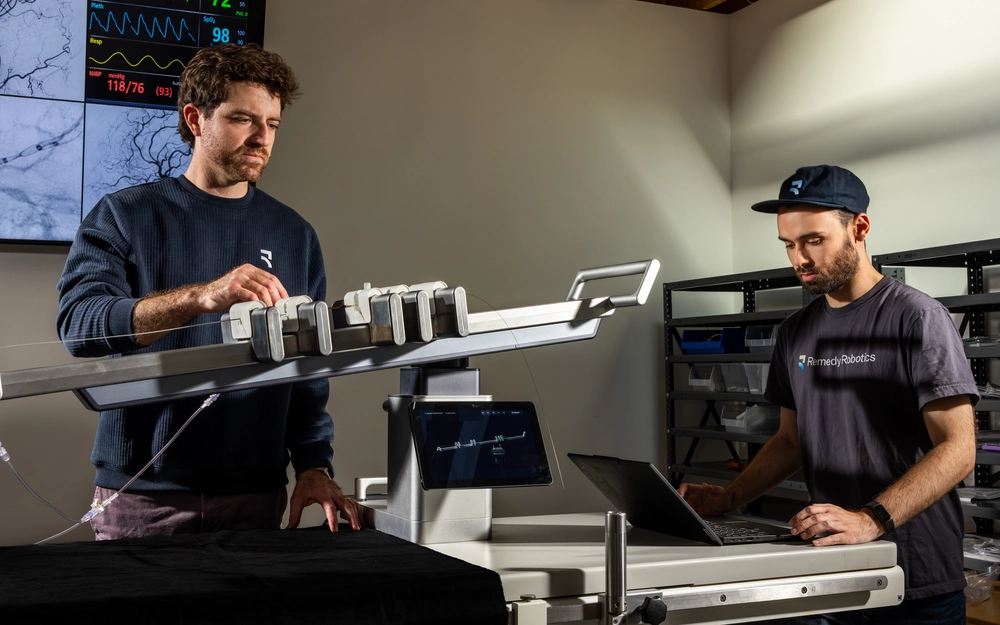
- Hardware: the N1 robot, designed to perform the entire endovascular procedure
- Med device: the tools. We make our own proprietary steerable catheters, and we have proprietary mechanisms to control a full range of off-the-shelf tools.
- Software/ML: there is nothing like it in the industry.
- Remote console: clinicians can perform every step of a standard procedure, only better, from any location. No other system offers this.
- Latency and connectivity: continuous connectivity monitoring, with built-in safety protocols for prolonged latency.
- Steering: clinicians had never been able to operate omnidirectional steerable catheters under X-ray. We have changed that.
- Safety: the system recognizes and prevents unsafe movements and smooths out buckling so that operation feels effortless.
- Imaging: automated preoperative segmentation, and automated coregistration that overlays raw CT on live X-ray.
- Simulation: real-time, patient-specific, preoperative simulation. A seriously impressive feat.
- Autonomy: knowing the tool’s pose and overlaying the 3D anatomy unlocks supervised autonomy.
And we’ve done it in the real world
No one had ever performed a fully robotic endovascular intervention, let alone done it remotely. We’ve done it all, from scratch, in five years.
We’ve completed (all end-to-end):
- The world’s first entirely robotic neurointervention in human patients: 6 on-premise cerebral angiograms
- The world’s first entirely robotic remote neurointervention in human patients, with all specialist procedural steps completed by the remote physician: 4 remote cerebral angiograms
- More than 200 remote procedures in silicone models and animals
- Autonomous endovascular intervention in multiple patient-based silicone models
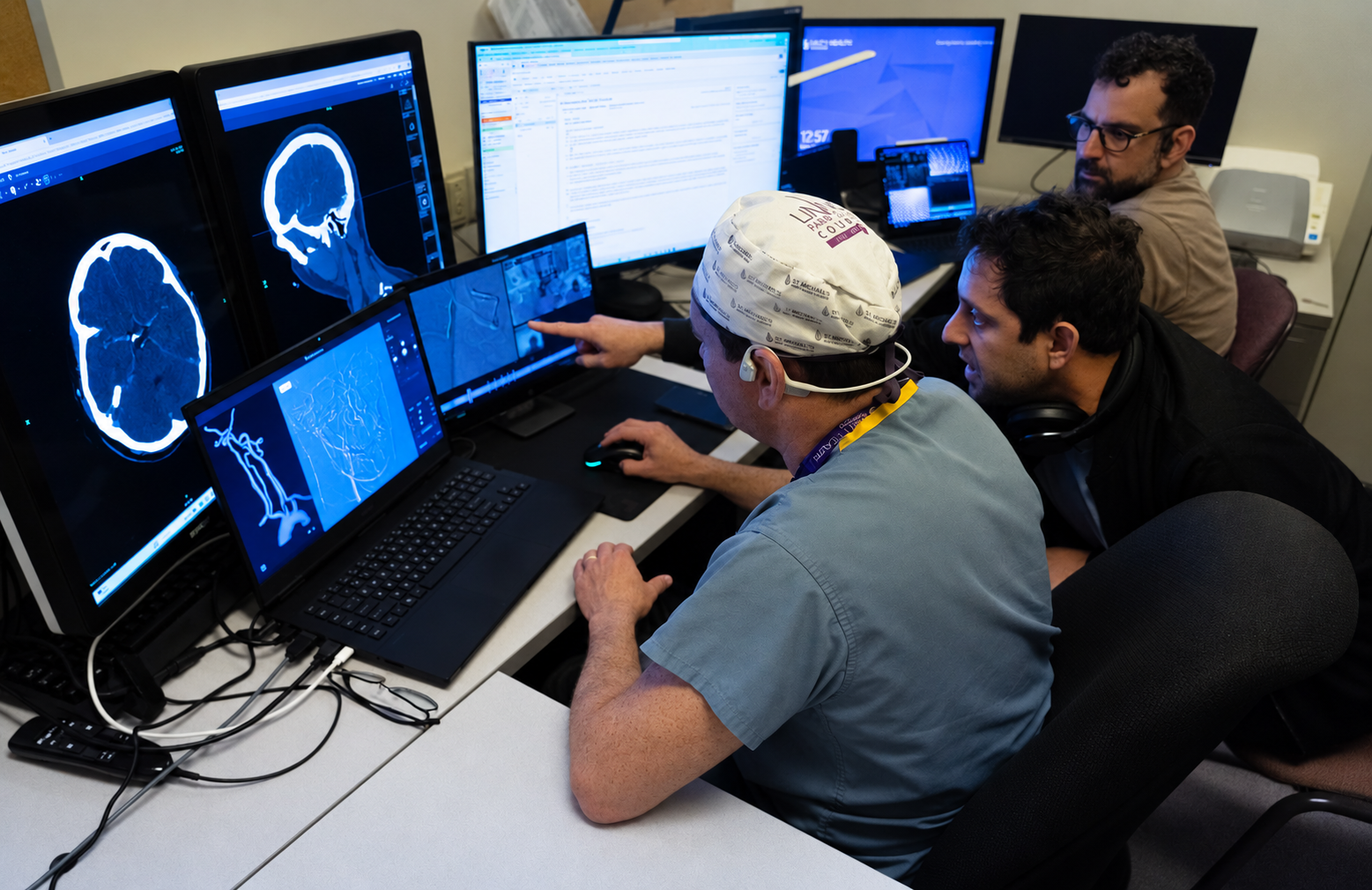
What’s next and what does it mean?
Remedy’s story is still in its early chapters. We’ve got a lot of work to do, in clinical trials and with the FDA and regulators around the world, to make our technology available to every hospital, physician and patient that needs it.
But the tangible outcomes are within sight. By taking the N1 to its full potential, we can create a world where:
- Every patient will have immediate access to best-in-class care wherever they are. The quality of care patients receive will be determined by what they need, not by where they live.
- Physicians will have access to tools that allow them to operate beyond the capacity of their hands, eyes and physical presence. Long days in heavy lead aprons squinting at X-rays will be replaced by control, clear imaging and procedures from a console that works as well in the OR as it does from 8,000 miles away.
- Hospitals and health systems will be able to keep patients, and offer them world class care at every step of the patient journey from diagnosis to discharge.
It is a vision we are chasing as quickly as we can, with the support of our investors and clinical partners. Our first pivotal clinical trials are planned for next year at the University of California, and we will only accelerate from there.
Lillehei and Bakken started with a tragedy and built a revolutionary device. Then they built out a hardware portfolio. Jake and I started with a problem. We’re not just building a device. We’re optimizing the entire patient journey for 30 different conditions, from diagnosis to surveillance. We can already do most of it, but not all. We are a step change in cardiovascular care.
David Bell
CEO and Co-Founder, Remedy Robotics